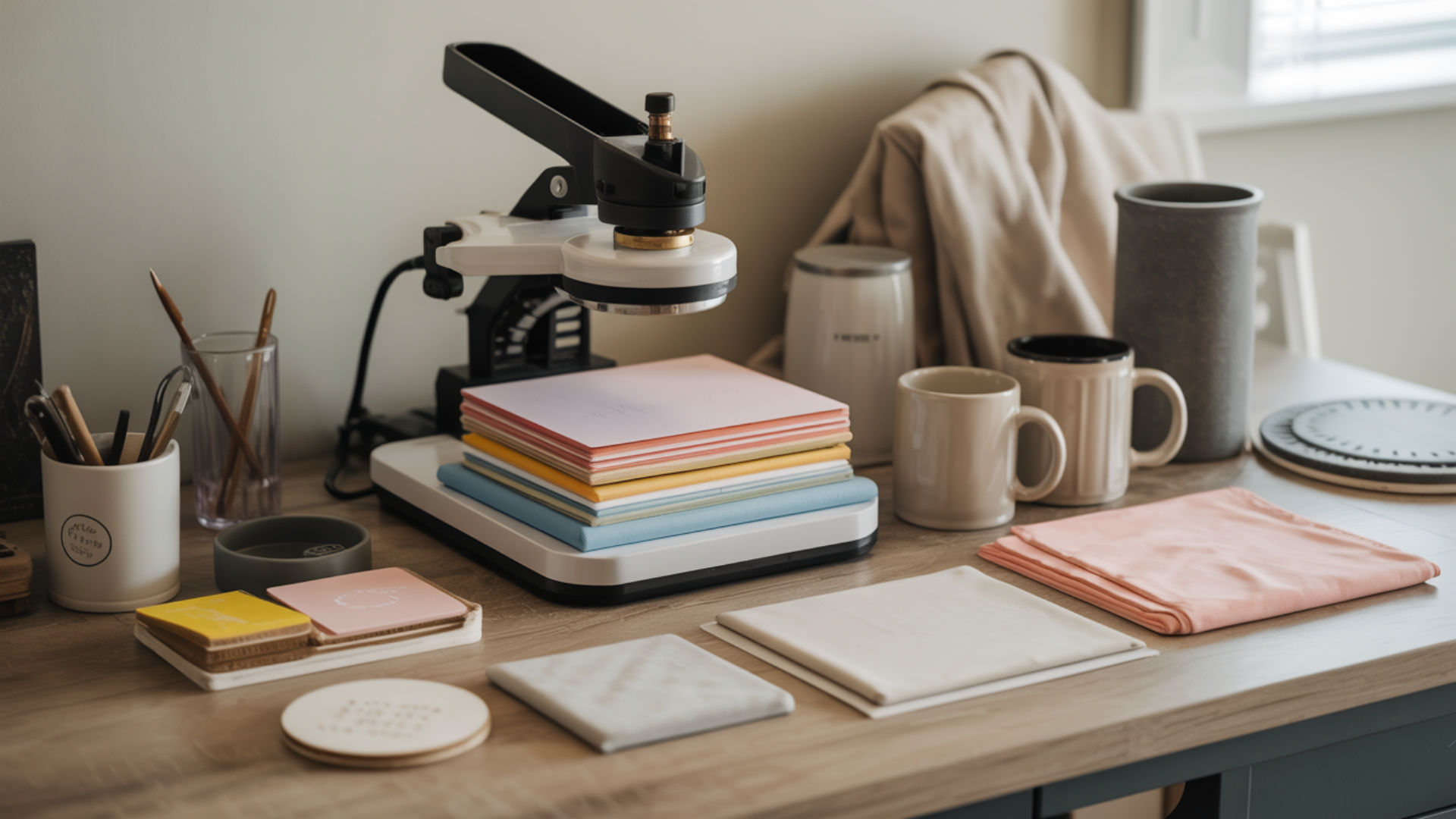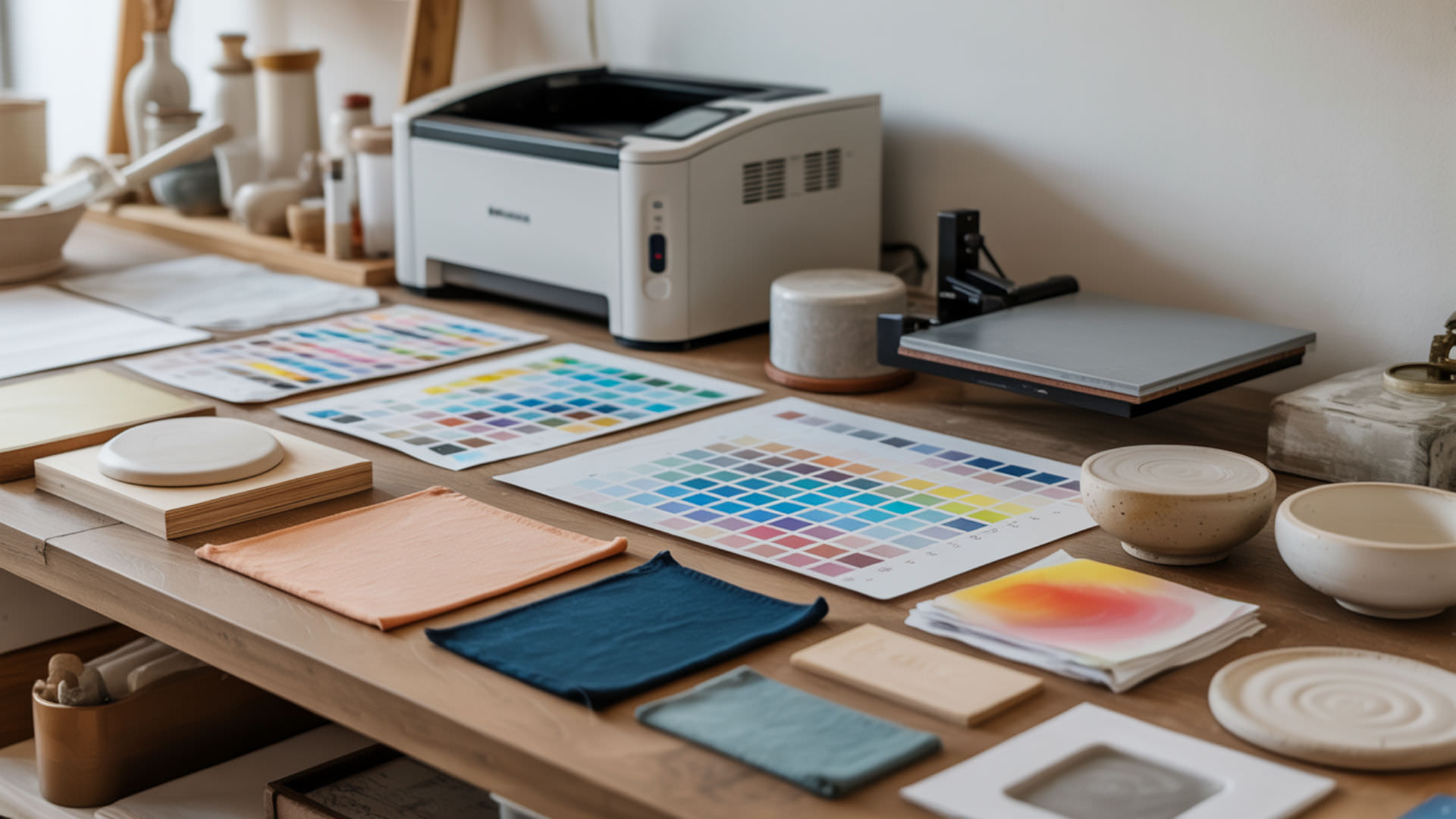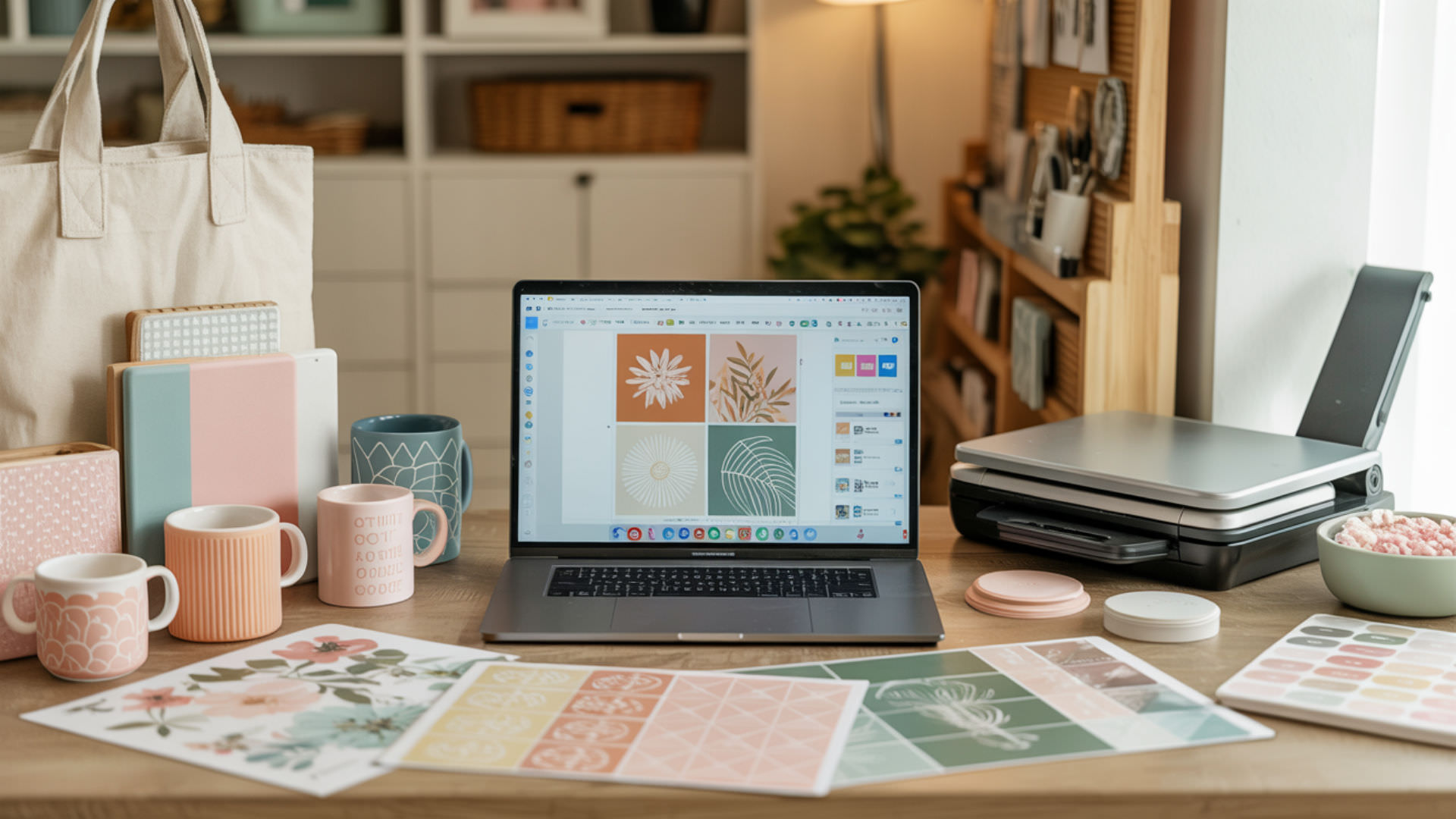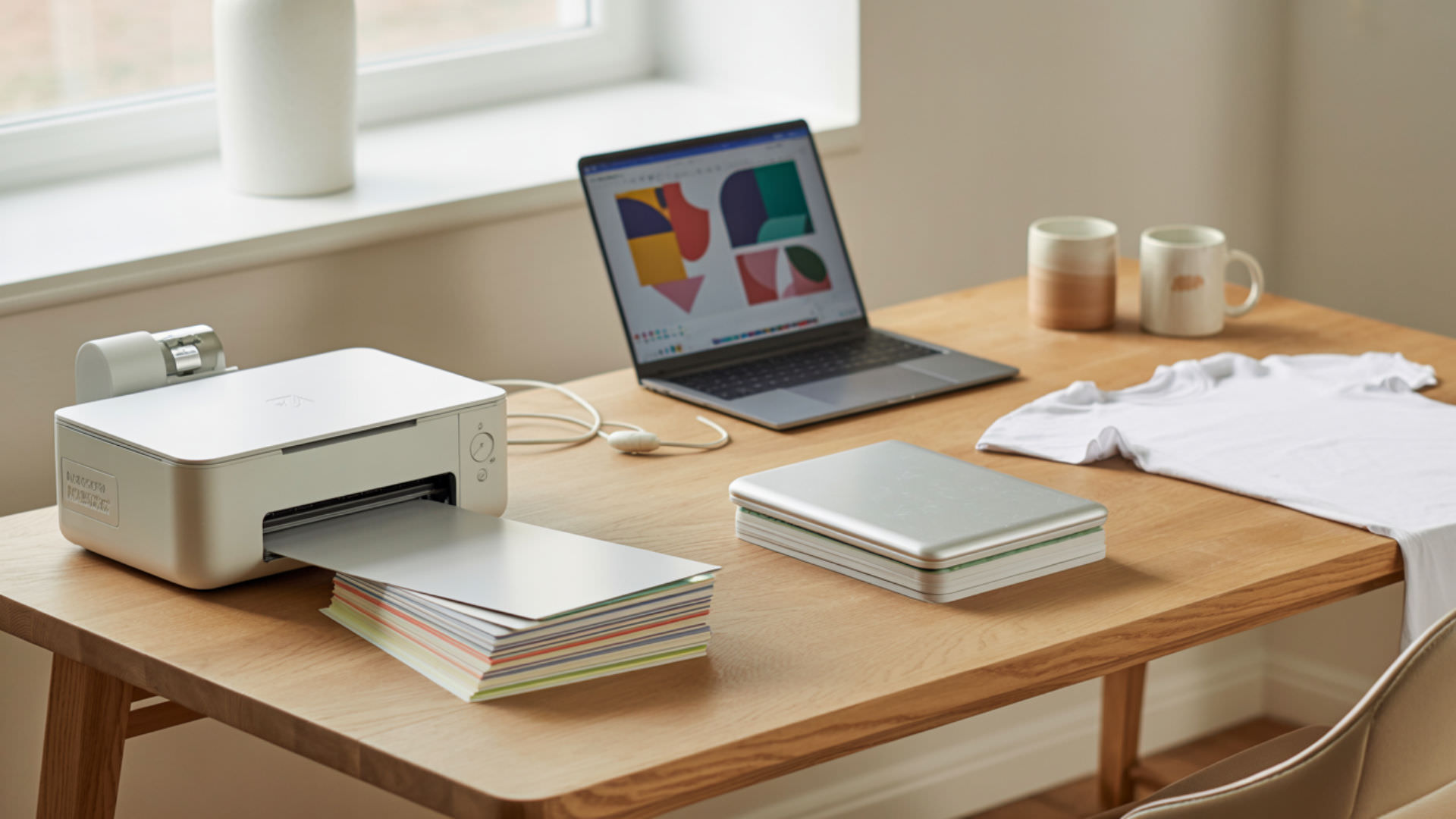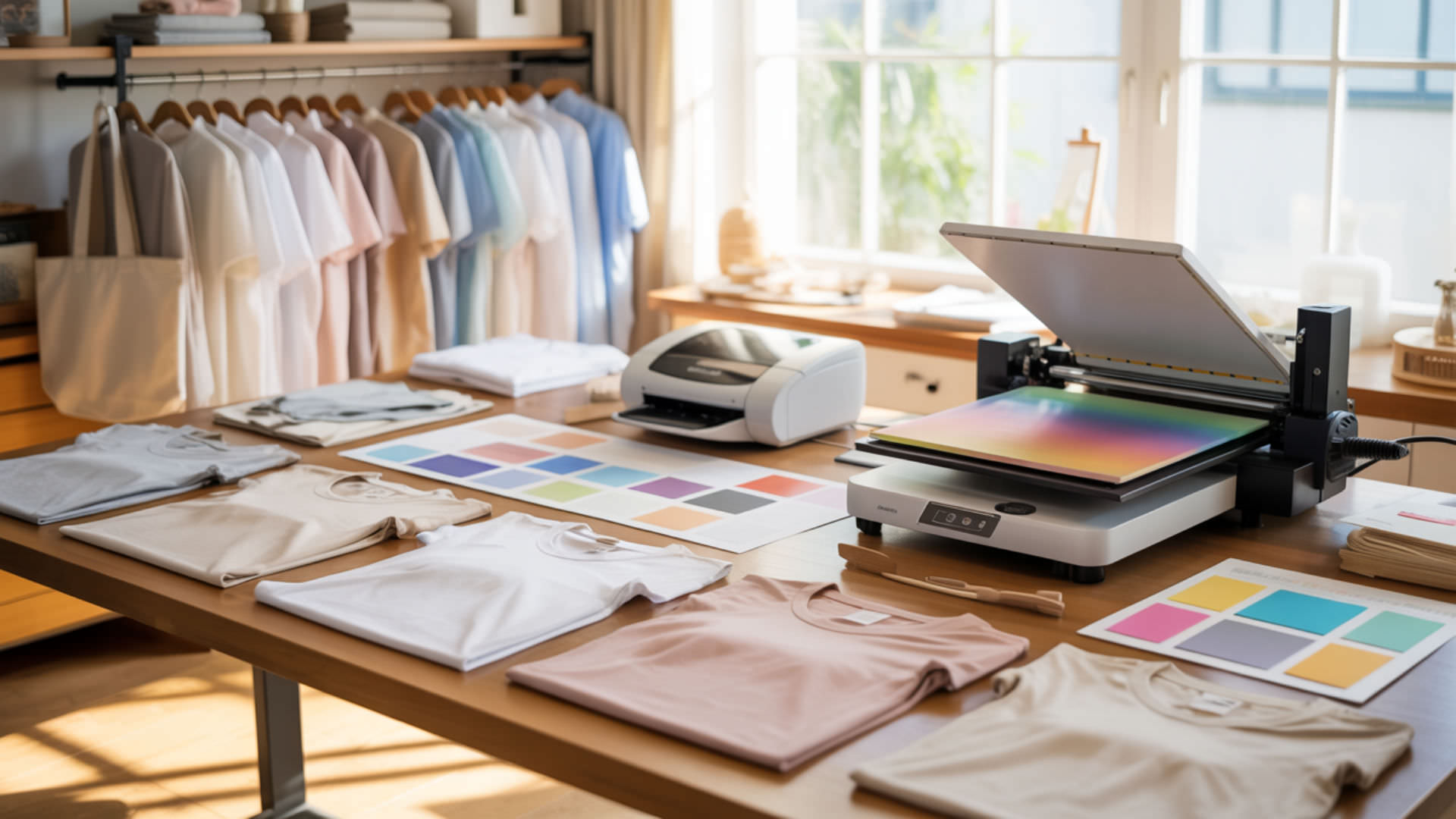
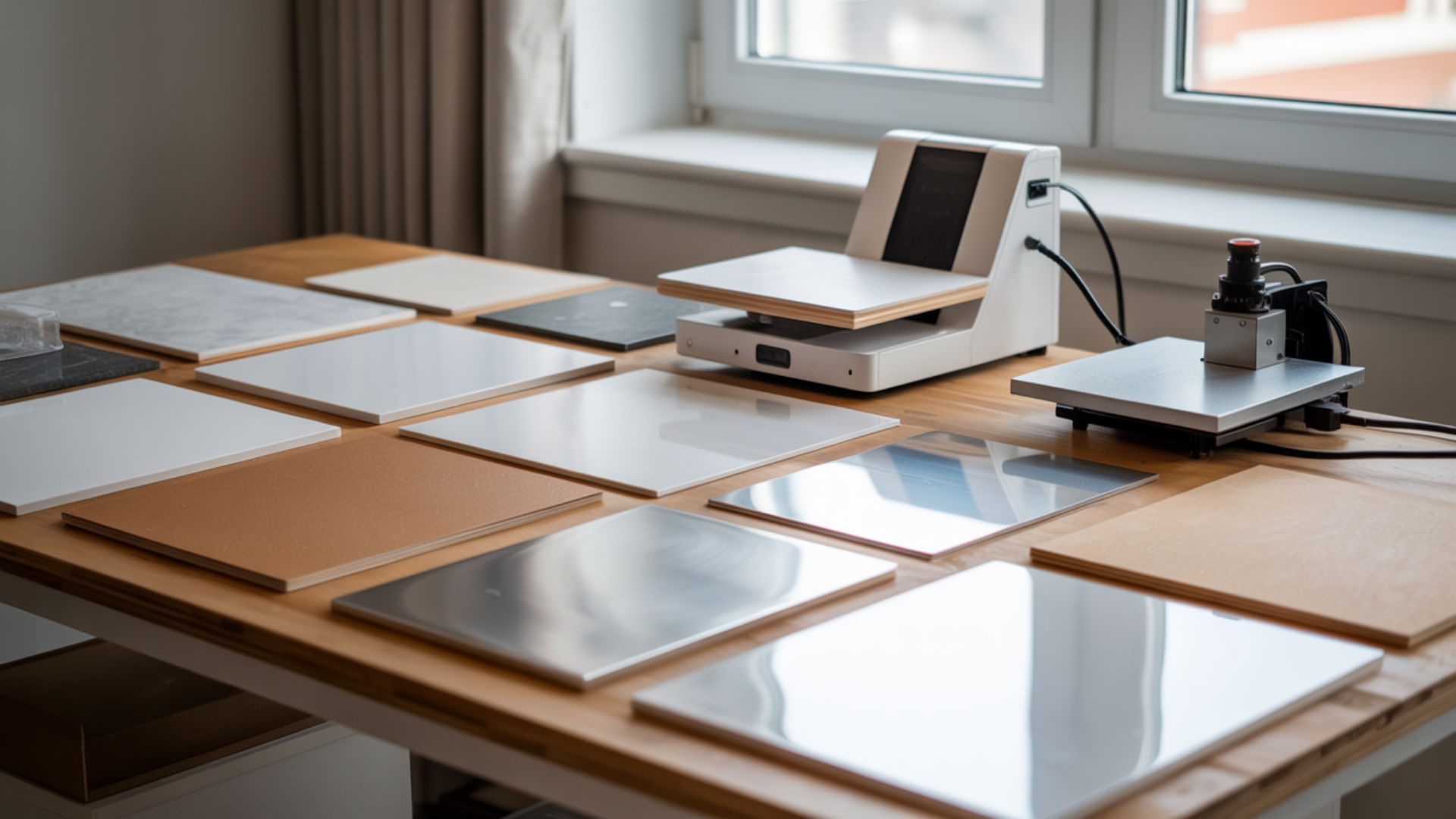
UV printing and sublimation represent fundamentally different approaches to decorating products and materials. UV printing uses UV-curable ink that polymerizes instantly on surfaces when exposed to ultraviolet light, creating a raised, textured finish on virtually any substrate. Sublimation uses dye diffusion to infuse color permanently within polyester fibers or polymer-coated surfaces with zero texture. Our complete guide on sublimation vs other printing methods explains how dye diffusion distinguishes sublimation from all surface-based print technologies.
Key Takeaways
- UV printing uses photopolymerization—UV light instantly cures liquid ink into a solid polymer layer on virtually any rigid or flexible substrate.
- Sublimation’s phase change converts solid dye to gas at 380–400°F, bonding color permanently within polyester fibers with zero surface texture.
- UV printing offers substrate versatility for rigid materials; sublimation delivers superior durability and smooth finish on polyester-compatible products.
What’s the actual difference between UV printing and sublimation?

UV curing turns liquid monomers into solid polymer layers instantly using ultraviolet light—ink sits on the surface creating raised, textured prints. Sublimation prints dye onto sublimation transfer paper, then uses heat to convert dye to gas that infuses into substrates. Sublimation requires a polymer coating on hard goods; UV prints directly without special coatings. This contrast between ink sits on surface vs dye in-fiber also distinguishes sublimation from screen printing methods.
Key differences in how UV printing and sublimation work
UV printing relies on photopolymerization—UV light initiates a chemical reaction that instantly transforms liquid ink into a solid polymer network bonded to the substrate surface. Sublimation requires heat, pressure, and time working together at 380–400°F for 35–60 seconds to drive dye infusion into polyester fibers. UV cures in milliseconds; sublimation takes 30–60 seconds per transfer. UV printing relies on photopolymerization, a process in which light energy triggers liquid monomers to rapidly form a solid polymer structure on the surface.[1]
Which printing method costs more for your business?
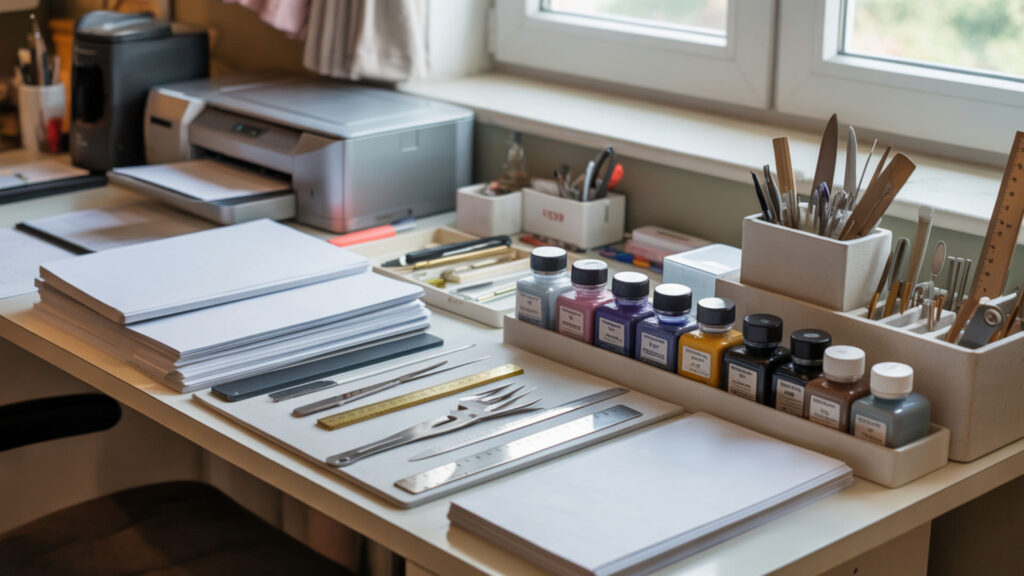
UV printing requires higher equipment investment—flatbed UV printers cost $5,000–$50,000+ versus $500–$2,000 for sublimation setups. However, instant curing enables faster production without heat press bottlenecks. Sublimation’s heat, pressure, and time requirements limit throughput but offer lower startup costs. Our guide on the best printer for T-shirt printing compares flatbed digital printer costs against heat-press workflows for business planning.
How much does UV printing cost per square foot?
UV printing typically costs $5–$15 per square meter ($0.50–$1.50 per square foot) for standard jobs. Higher print resolution and DPI settings increase UV-curable ink consumption, pushing costs toward $20+ per square meter for detailed, high-coverage designs. Ink costs represent the largest variable expense—specialty UV-curable ink formulations cost more than standard CMYK configurations.
How long does UV printing last compared to sublimation?
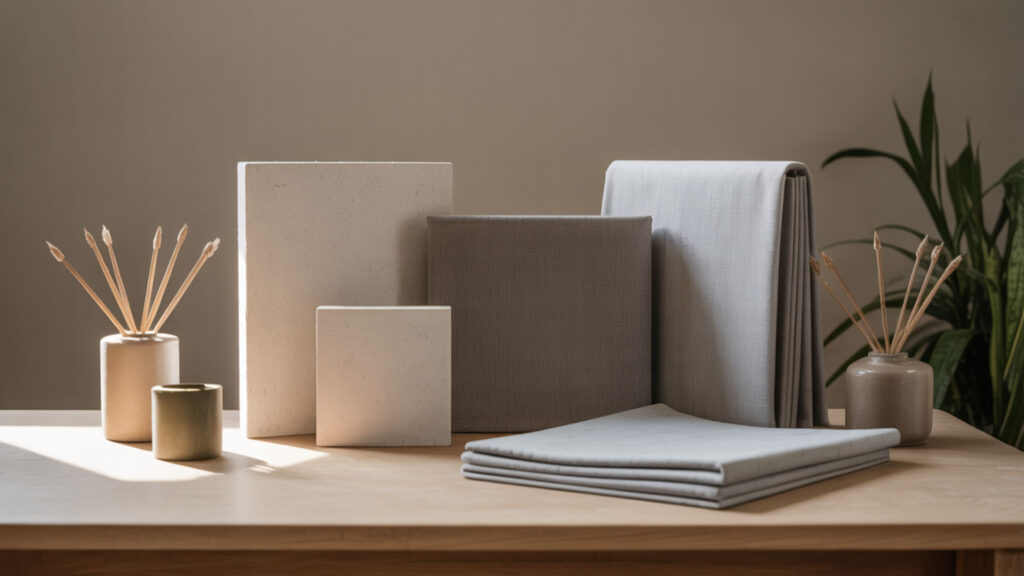
Sublimation’s dye diffusion creates permanent color integration—prints last the substrate’s lifetime without fading, cracking, or peeling on polyester. UV photopolymerization creates durable surface layers lasting 2–5 years outdoors and decades indoors, but may degrade with extreme UV exposure or abrasion. Similar durability differences apply when comparing sublimation to DTF printing—both DTF and UV rely on surface-layer bonding.
⫸ Click Here For Best Selling Sublimation Printers And Products ⫷Does UV printing peel?
UV prints can peel on low-energy surfaces where photopolymerization creates weak adhesion bonds. Substrate versatility comes with adhesion variability—smooth glass and metal bond well, while some plastics and flexible materials may cause peeling over time. Proper surface preparation and primer application prevent most adhesion failures. Quality UV inks with proven adhesion formulations minimize peeling risk significantly.
Does UV printing fade?
UV-curable ink resists fading better than many traditional inks due to its solid polymer structure, but prolonged outdoor UV exposure can cause gradual degradation. Indoor applications maintain color vibrancy for decades. UV printing offers environmental and VOC benefits over solvent inks, but outdoor durability improves significantly with protective clear coat or laminate applications over the cured ink layer.
How do you actually do UV printing step-by-step?
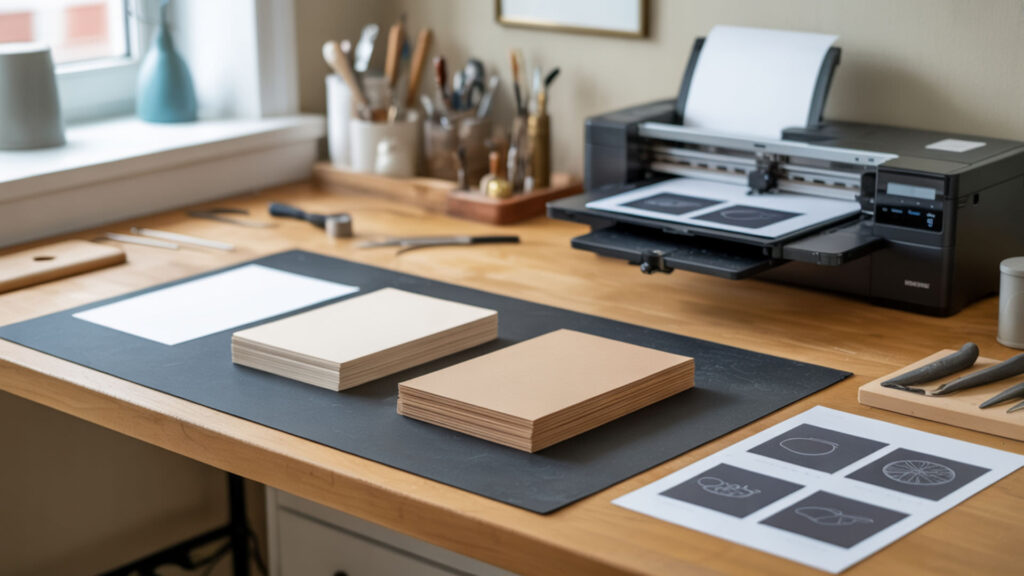
- Prepare your substrate by cleaning the surface thoroughly to remove dust, oils, and contaminants. Proper surface preparation ensures optimal ink adhesion; some materials require primer application for best results.
- Load the substrate onto your flatbed digital printer and secure it in position using vacuum hold-down. Flatbed printers accommodate rigid materials up to several inches thick; material must remain stationary during printing.
- Configure print settings including resolution, ink layers, and white ink underbase if printing on dark or transparent materials. Higher DPI settings increase detail but slow production and consume more UV-curable ink per square foot.
- Print the design as UV-curable ink is deposited onto the substrate surface in multiple passes if needed. The printhead moves across the material while depositing precise ink droplets in CMYK plus white or varnish configurations.
- UV curing occurs instantly as UV-LED lamps following the printhead expose the ink to ultraviolet light. Photopolymerization transforms liquid ink monomers into solid polymer networks within milliseconds of UV exposure.
- Remove the finished product immediately—no drying or cooling time required after UV curing completes. Instant curing enables continuous production without waiting periods between prints or post-processing steps.
Is UV printing actually good quality for professional use?
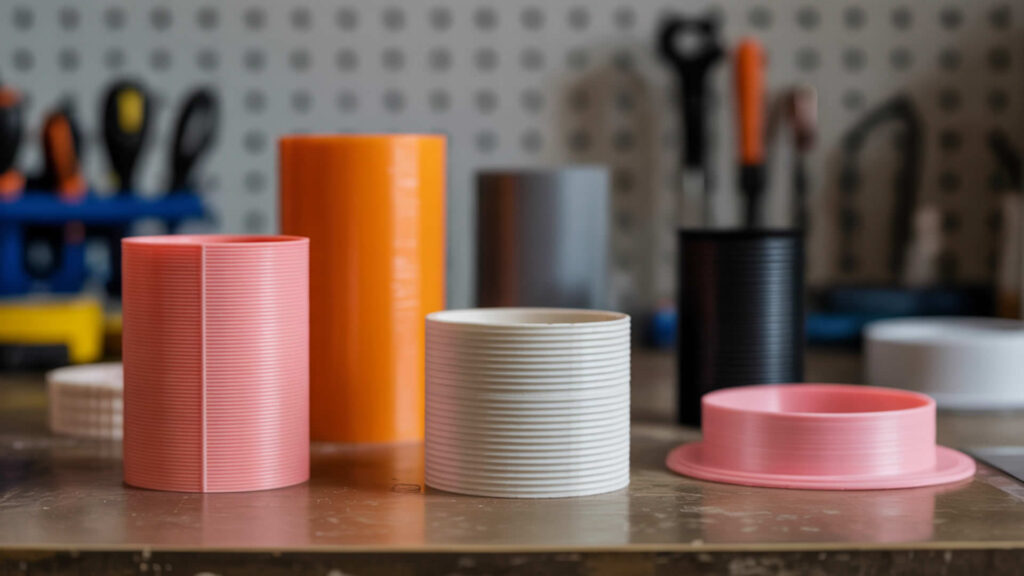
UV printing delivers professional-quality output with excellent sharpness at high print resolution up to 1440 DPI or higher on rigid substrates. However, continuous-tone printing favors sublimation for photographic gradients—UV creates visible dot patterns under magnification while sublimation produces smooth color transitions. UV excels at graphics, text, and solid colors; sublimation wins for photo-realistic imagery.
Is UV printing full color?
UV printing supports full-color CMYK output plus white ink for printing on dark or transparent substrates. UV-curable ink formulations include cyan, magenta, yellow, black, white, and sometimes varnish or specialty colors. Photopolymerization cures each ink layer instantly, allowing multi-layer printing in a single pass. Full-color gradients, textures, and photographic images are all achievable with proper color management.
What does UV printing look like?
UV printing creates a distinctive raised, textured finish where UV-curable ink sits on top of the substrate surface. Unlike sublimation’s continuous-tone printing that produces smooth, integrated color, UV prints have a slightly glossy or matte tactile texture depending on ink formulation. The raised ink layer is visible and touchable—a noticeable difference from sublimation’s zero-texture fiber-integrated finish.
Which printing method is better for different types of applications?
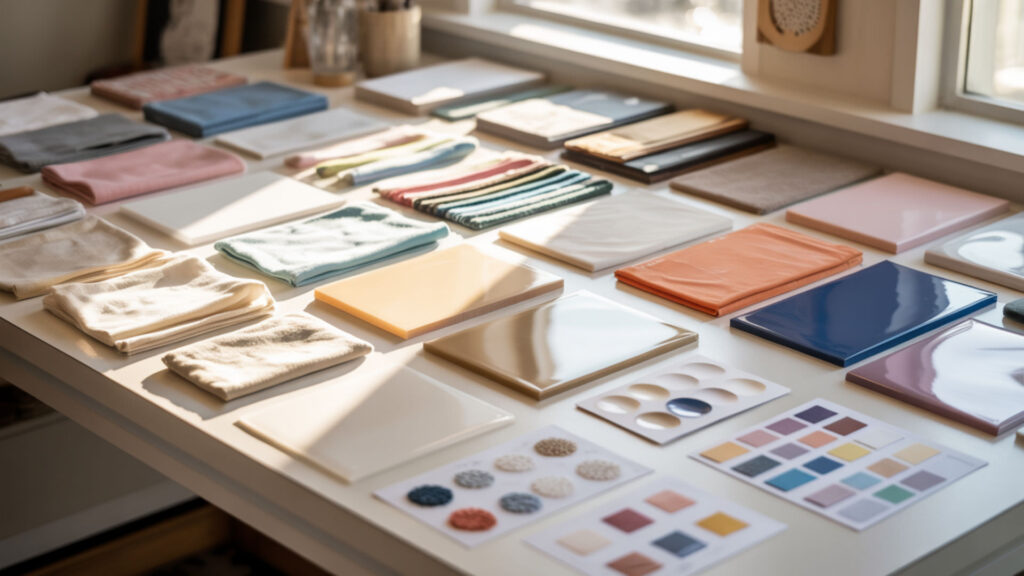
UV printing offers superior substrate versatility—it works on wood, metal, glass, acrylic, plastic, leather, and most rigid materials without special coatings. Sublimation requires polyester content of 65%+ for fabrics or polymer coating on hard goods.
Best uses for UV printing versus sublimation
UV printing excels on rigid signage, promotional products, phone cases, awards, and packaging where substrate versatility matters and texture is acceptable. Sublimation dominates polyester apparel, soft signage, and polymer-coated drinkware where smooth finish and wash durability are essential. UV prints directly without polymer coating requirements; sublimation needs coated blanks for hard goods.
When to choose sublimation instead of UV printing
Choose sublimation when dye diffusion permanence matters—polyester apparel, athletic wear, and soft goods where prints must survive unlimited washing without fading, cracking, or peeling. Sublimation’s continuous-tone printing produces superior photographic quality with smooth gradients impossible to achieve with UV’s dot-pattern output. Studies from the U.S. Select sublimation for polymer-coated mugs, tumblers, and mousepads where dishwasher-safe durability is required.
Is UV printing safe and eco-friendly for your workspace?

UV printing offers significant environmental and VOC benefits compared to solvent-based alternatives. UV-curable ink contains no solvents that evaporate during printing—the ink cures through photopolymerization rather than evaporation. This eliminates volatile organic compound (VOC) emissions common with traditional industrial inks. Energy consumption is also lower because instant curing requires no heat or extended drying time. UV inks (often called energy-curable inks) are widely discussed in academic packaging research because they cure into a solid without the same solvent-evaporation pathway used by many traditional inks, which supports the lower-emissions point in UV printing workflows. [2]
Does UV printing smell?
UV-curable ink produces mild odor during printing from photosensitive resins in liquid form. The smell is typically less intense than solvent inks because photopolymerization cures ink without evaporation. Odor dissipates quickly after curing completes. Proper workspace ventilation remains important, but UV printing generally creates a more pleasant environment than solvent-based printing operations.
Is UV printing eco-friendly?
UV printing ranks among the more eco-friendly industrial print methods due to its environmental and VOC benefit profile. Zero solvent evaporation eliminates harmful VOC emissions that contribute to air pollution and respiratory hazards. Instant curing reduces energy consumption compared to heat-dried inks. Minimal waste results from precise ink deposition and elimination of drying-related spoilage common with traditional methods.
Ready to choose between UV printing and sublimation?
Your choice depends on substrate requirements and finish preferences. UV curing offers instant production on virtually any rigid material with a textured, raised finish—ideal for signage, promotional products, and industrial applications. Sublimation’s phase change process delivers permanent, smooth, photographic-quality results on polyester products—superior for apparel, soft goods, and dishwasher-safe drinkware. Many businesses operate both systems.
Frequently Asked Questions
Is UV printing waterproof?
UV-curable ink creates waterproof prints once fully cured because the solid polymer layer resists moisture penetration. However, adhesion quality determines whether water eventually causes lifting or peeling on certain substrates. Glass and metal surfaces typically maintain waterproof bonds indefinitely; porous or flexible materials may show degradation with prolonged water exposure or dishwasher cycles.
Does UV printing require special inks?
UV printing requires specialized UV-curable ink formulated with photosensitive monomers that polymerize under ultraviolet light exposure. Standard inkjet, laser, or sublimation inks cannot work in UV printers—the chemistry is completely different. UV inks cost more than conventional inks but enable instant curing and direct printing on materials that other ink types cannot bond with effectively.
Is UV printing profitable?
UV printing can be highly profitable for businesses targeting promotional products, signage, custom drinkware, and industrial applications. Higher equipment costs require sufficient volume to achieve ROI, but instant curing enables faster production than heat-press workflows. Popular profitable items include custom pint glasses, branded tumblers, phone cases, awards, and promotional merchandise for restaurants, breweries, and corporate clients.
Can you use UV ink for sublimation?
UV ink cannot be used for sublimation—the technologies work on entirely different principles. UV-curable ink polymerizes under UV light exposure and sits on surfaces. Sublimation requires dye diffusion where heat converts solid dye to gas that penetrates polyester fibers. The inks, printers, and processes are completely incompatible; neither can substitute for the other.
Is sublimation bad for health?
Sublimation inks are generally non-toxic and water-based, making them relatively safe for regular use. The dye diffusion process during pressing releases some fumes that can irritate respiratory systems—always work in ventilated areas. Once sublimation dye bonds to polyester fibers, it becomes chemically inert and safe for skin contact. Follow manufacturer safety guidelines and avoid inhaling press fumes directly.
References
- Meet the noble metals. (2012, August 14). ThoughtCo. https://www.thoughtco.com/introduction-to-noble-metals-608444
- Rogers, K. (2024, January 29). From intelligent packaging materials to flexographic UV printing, Clemson University unpacks sustainable packaging. Clemson News. https://news.clemson.edu/from-intelligent-packaging-materials-to-flexographic-uv-printing-clemson-university-unpacks-sustainable-packaging/?utm_